
'A broad-based revival of private sector investment was likely in 2018-19 after businesses had successfully made the switch to the GST.'

'Normally, the system is geared towards counting notes -- it is equipped to do x amount of work and one day you are asking them to do 20 x.' 'The processes involved are very complex.'

National Anti-profiteering Authority to be set up for ensuring that customers get the benefit of GST

The time-bound nature of the bankruptcy code, envisaging resolution within 180 to 270 days, would put enormous pressure on the existing judicial infrastructure.
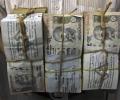
The gross bad debt of the Indian banking system as of March was at Rs 7.11 lakh crore

To spur war among lenders to grab existing loans

If people can lobby me for making changes in policies that goes against the country's interest, I won't keep myself in this position, says the vice chairman of NITI Aayog.

'With technology advancing rapidly, the need for branches is declining.'

In the run up to three years of the National Democratic Alliance government, Minister of State for Commerce and Industry (Independent Charge) Nirmala Sitharaman says it is time to consolidate some of the major initiatives as well as take new steps.

Question remains, what happens when the overseeing committees' members themselves are questioned by investigative agencies?

'Indian non-bank lenders stand exposed to a deteriorating credit quality environment.' 'Such a deterioration could put at risk the value of NCDs purchased by the mutual funds and expose investors in bond and liquid funds to a risk of capital loss.'

Includes those dealing in high-value property and petrol pump owners

Punjab National Bank has made a name for itself in recovery of bad loan dues. Usha Ananthasubramanian, managing director and chief executive officer of the government-owned lender, explains how it has achieved this reputation.

Discussion paper fixes Rs 1,000 cr as minimum capital for these specialised banks

Arundhati Bhattacharya talks about SBI's strategies, its aim to be among the top 30 banks globally, and stressed assets resolution.

Barry Eichengreen, professor of economics and political science, University of California, Berkeley, analyzes the transparency of the Reserve Bank of India, the growth rate of the Indian economy and why he feels globalisation can never be rolled back.

The limit of indebtedness comes down to Rs 15,000 crore from 2018-19, and then Rs 10,000 crore from April 2019 onwards

Government gets Rs 17.1 lakh crore in its kitty
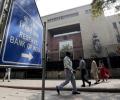
However, RBI would continue to nudge banks to cut lending rates
Banks to get more aggressive and act like PE investors
 © 2026 Rediff.com - Investor Information - Advertise with us - Disclaimer - Privacy Policy - Sitemap - Feedback - About us - Terms of use - Grievances